
CONSUMER GOODS / BABY CARE
Wipes are classified by the claim printed on the pack, not by how they look on the shelf. As the category expands, public consumer-safety guidance in several markets is drawing the same line for caregivers: check the label before a surface disinfectant ends up on an infant's skin.
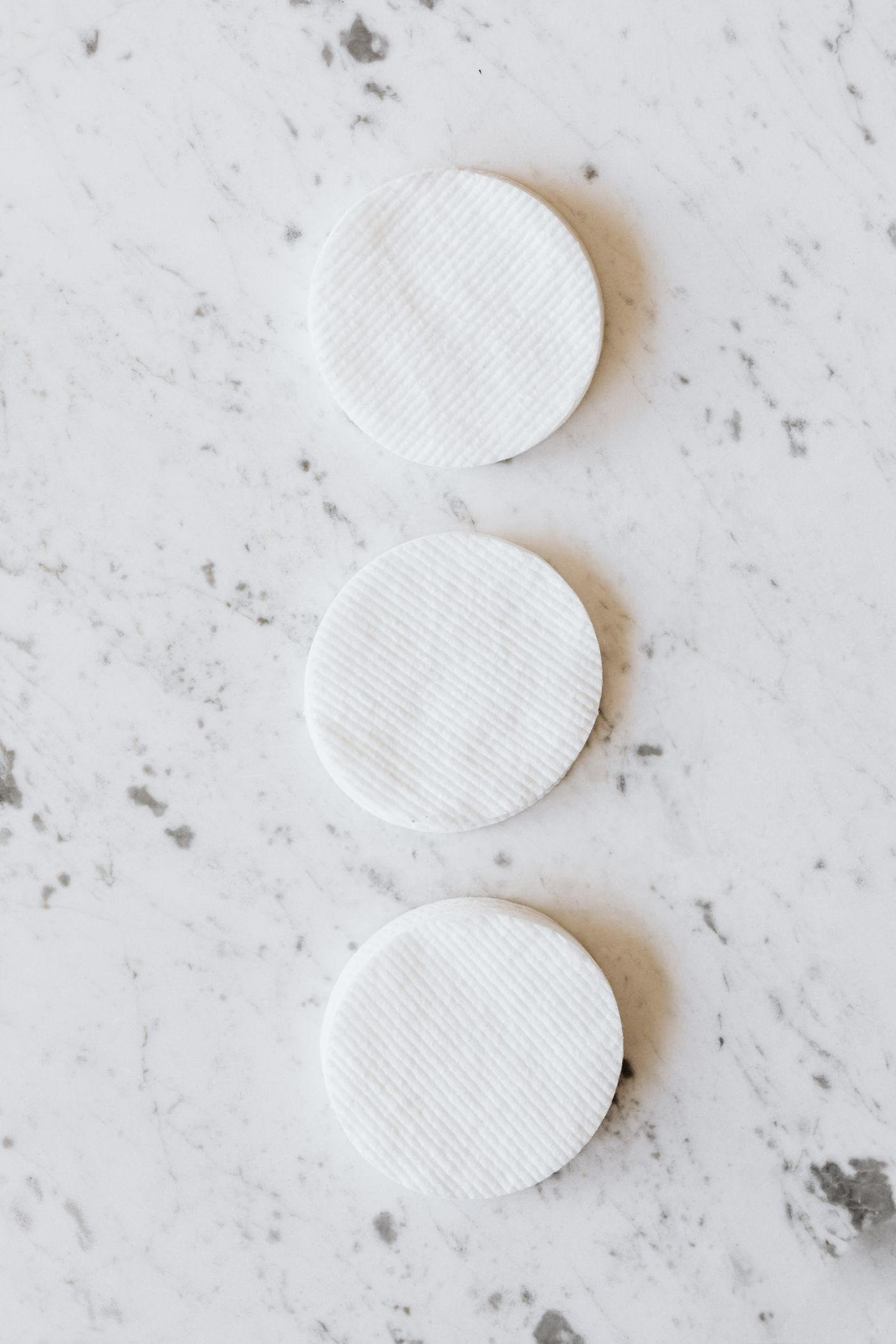
For families with young children, wipes are among the most frequently replenished household items. A resealable pack lives in the diaper bag, another on the changing table, a third in the car. They handle diaper changes, sticky fingers, dropped toys and messy high-chair trays, and are thrown away after a single use — a convenience that plain water and a washcloth cannot match away from home.
What is less obvious is that products sold side by side under the broad label "wipes" are not interchangeable. In most major markets they are formulated, labeled and regulated as different categories, and the distinction turns on one question: is the wipe meant to clean skin, or to kill microorganisms?
Two families of wipes
Cleansing or skin-care wipes — the category that includes baby wipes — are pre-moistened sheets carrying a water-based lotion. The formula is mostly water, with humectants such as glycerin, very mild surfactants, and preservatives that keep the pack safe once opened. Such a wipe is manufactured to strict microbiological hygiene standards, so the product itself is clean; it does not, however, disinfect the skin or any object it touches. Its job is to lift away soil while leaving the skin comfortable, which is why baby wipes are typically formulated close to the skin's mildly acidic pH and kept free of harsh solvents.
Disinfecting or antimicrobial wipes are a different proposition. They contain an active ingredient at a concentration intended to kill microorganisms — ethanol or isopropanol, and quaternary ammonium compounds such as benzalkonium chloride (BAC), are the common ones. They only work if the surface stays visibly wet for the contact time stated on the label, which varies by product and claim. Marketing copy sometimes implies a "sterile" result, but sterilization is a technical term for eliminating all microbial life and does not apply to household wipes, which are tested for disinfection or sanitizing claims.
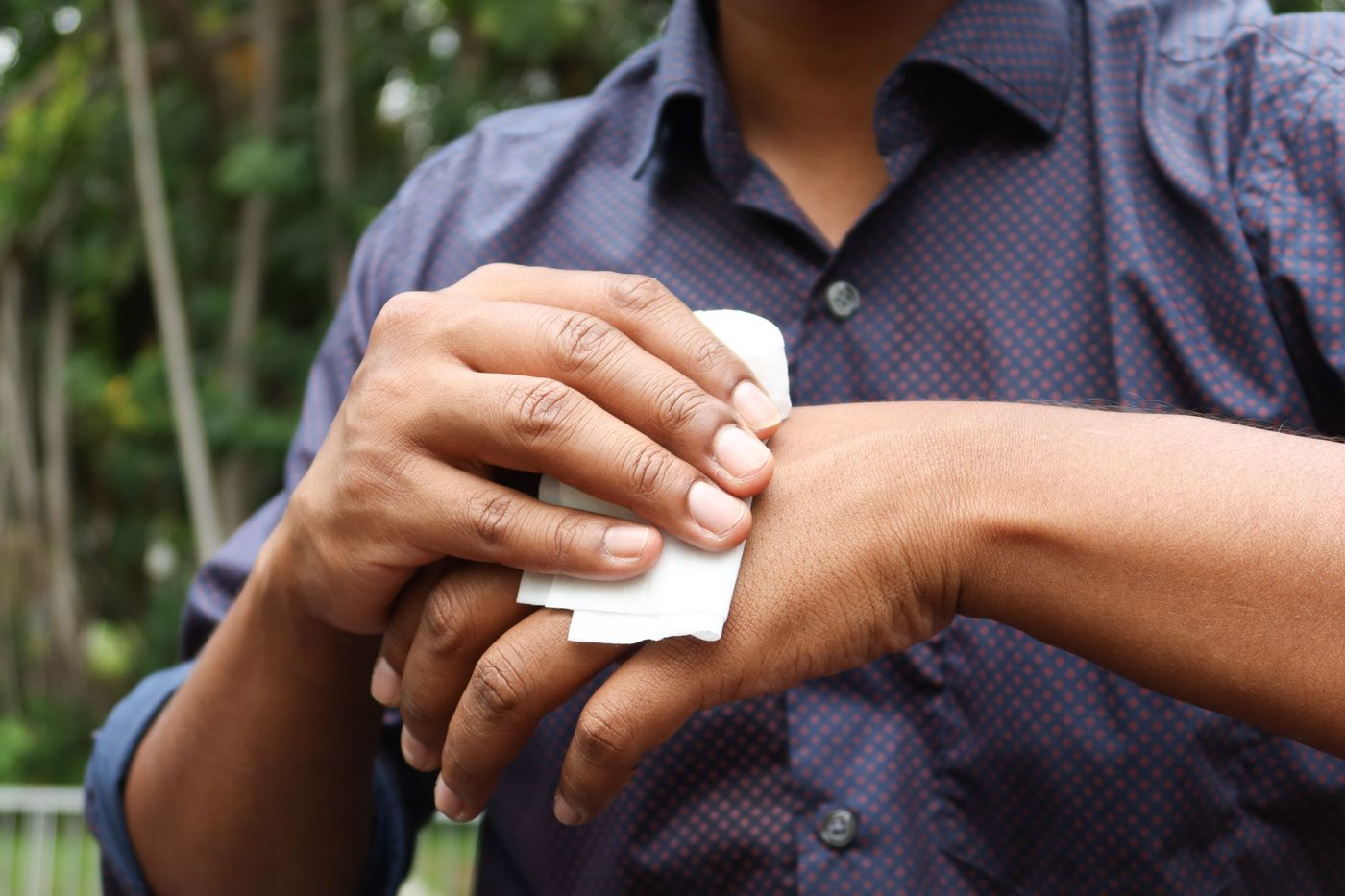
The claim on the pack decides the category
In the United States, wipes making public-health antimicrobial claims for hard surfaces are regulated by the Environmental Protection Agency as antimicrobial pesticide products under FIFRA and carry an EPA Registration Number (EPA Reg. No.). Wipes bearing a "Drug Facts" panel are intended for use on people and are regulated by the Food and Drug Administration as over-the-counter drug products. Wipes that make only cleansing or moisturizing claims generally fall under FDA cosmetic rules, although a plain water wipe may be treated as a general consumer product depending on the market and its label claims. U.S. public guidance from the National Pesticide Information Center (NPIC) makes the practical point clearly: disinfecting wipes are not baby wipes, and wipes registered for surfaces should not be used on skin.
In the European Union, a wipe that promises skin care falls under the cosmetics Regulation (EC) No 1223/2009, with a Responsible Person, a product information file and a CPNP notification; a biocidal or disinfecting claim instead brings the Biocidal Products Regulation (EU) No 528/2012 into play. China's GB/T 27728 series, in force since 1 October 2025, separates the categories explicitly: Part 2 sets requirements for wipes intended for children aged six and under, while Part 3, which covers household disinfectant wipes, states that it does not apply to wipes for disinfecting infants' skin or for disinfecting infant-use products.The principle is consistent across markets: the intended use printed on the pack, not the physical form of the product, determines which rules apply.
What "gentle" actually refers to
Baby wipes differ from general-purpose wipes in substrate and formulation rather than in any single ingredient. Most use a spunlace nonwoven — a web of viscose, polyester, cotton or a blend, bonded primarily by high-pressure water jets with little or no added binder — which is soft, low-linting and strong enough to stay intact when wet. Friction against the skin is low, an important consideration during frequent diaper changes, when the skin barrier is already under stress. A front-of-pack "cotton" claim is worth checking against the composition line: it often describes a blend rather than 100 percent cotton.
The lotion matters as much as the sheet. Shorter ingredient lists are generally easier to assess. "Fragrance-free" means no fragrance was added, while "unscented" can mean a masking fragrance was used to neutralize the odor of the base formula — a distinction that matters for sensitive or eczema-prone skin. Preservatives, meanwhile, are not in themselves a red flag in a multi-sheet pack: an opened pack of moist nonwoven is a favorable environment for microbial growth, and a preservative system helps keep the pack microbiologically stable through the last sheet. "Preservative-free" claims deserve a closer look unless the product comes in single-use sachets.
Where the safety line sits
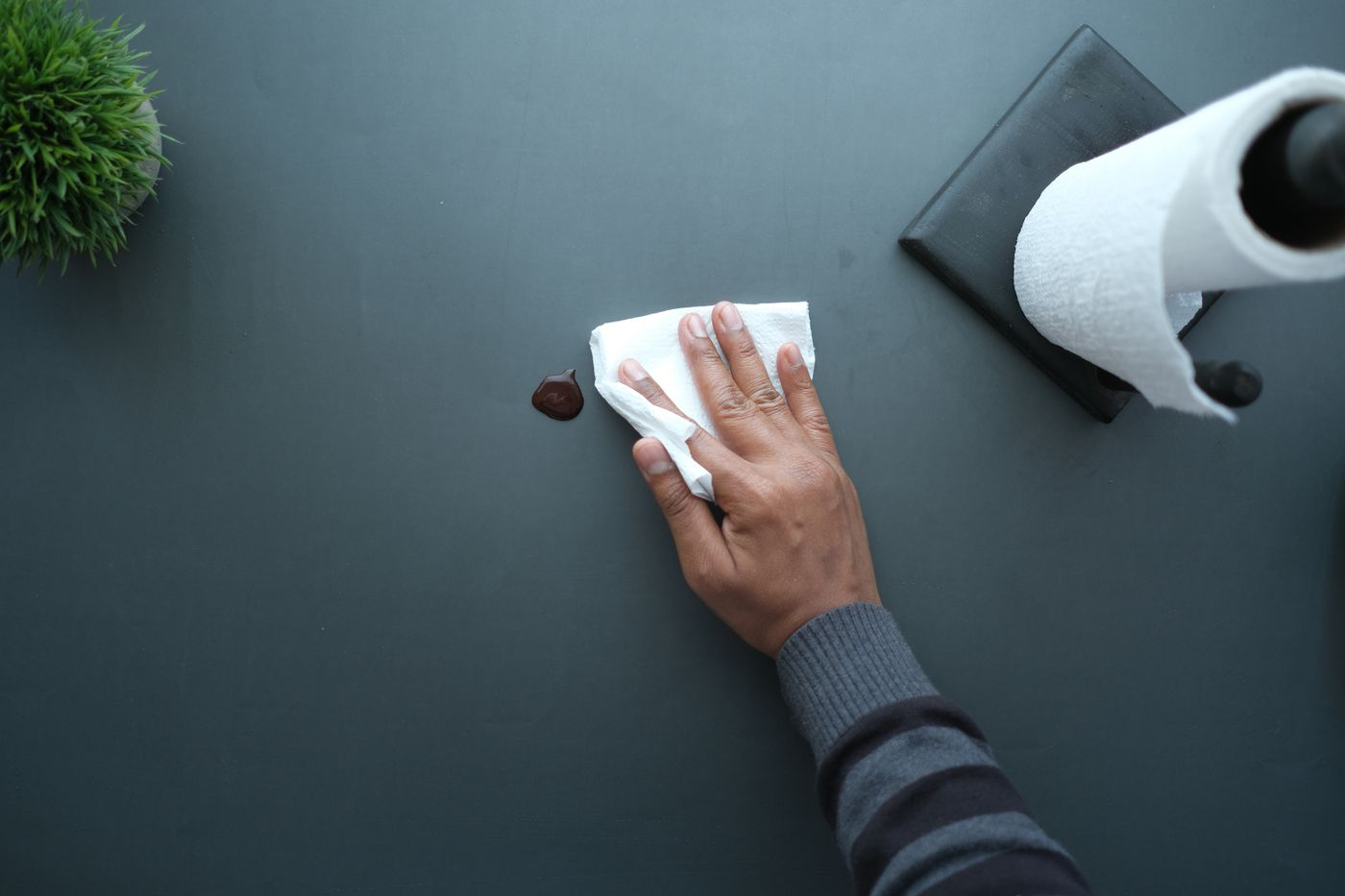
The practical rule is to keep each family to its own job. Disinfecting wipes are designed for hard, non-porous surfaces — changing mats, high-chair trays, toy casings, door handles — not for an infant's skin, and not for broken, abraded or irritated skin. Alcohol stings and strips skin lipids; quaternary ammonium compounds can irritate and are not intended for open wounds. Using a disinfecting wipe on a scrape is a common misreading of the phrase "kills germs" on a pack. Where a disinfecting wipe has been used on a surface a child may mouth, the label's instructions on contact time and on rinsing food-contact surfaces should be , and hands washed afterwards.
Nor are wipes a wholesale replacement for soap and water. For visibly soiled hands, washing remains more reliable; for the diaper area, a fragrance-free cleansing wipe is appropriate, but persistent redness calls for water, a barrier cream and advice from a pediatric professional. One more habit worth breaking: most wipes, including many described as "flushable", do not break down quickly enough for household plumbing and belong in the bin.
Reading the back of the pack
A short routine covers most of the confusion. First, decide the job: skin or surface. Second, read the intended-use statement and warnings, and look for an EPA Reg. No. or a Drug Facts panel — either one signals a product that is not a baby wipe. Third, scan the ingredient list, given on cosmetic wipes in INCI names in descending order of concentration, for alcohol, benzalkonium chloride and added fragrance. Fourth, consider the sheet itself: basis weight, texture and a secure resealable closure affect both comfort and how quickly the pack dries out. For sensitive skin, a patch test on a small area is a sensible precaution before committing to a full-size pack.
Many brands now offer shorter formulas, dye- and fragrance-free variants, plant-based or biodegradable substrates, and refill formats that cut plastic per sheet. Clearer front-of-pack wording — "for skin" versus "for surfaces" — has become a selling point in its own right. For companies exporting wipes, it is also a compliance matter: the claim chosen for the artwork determines whether a shipment is treated as a cosmetic, a biocidal product or a general consumer good in its destination market.
The takeaway is unglamorous but useful. Wipes earn their place in a diaper bag because they replace a sink when there is none. They do not erase the difference between cleaning skin and disinfecting a surface — and that difference is written in the small print on the back of the pack.




 Получить цитату
